
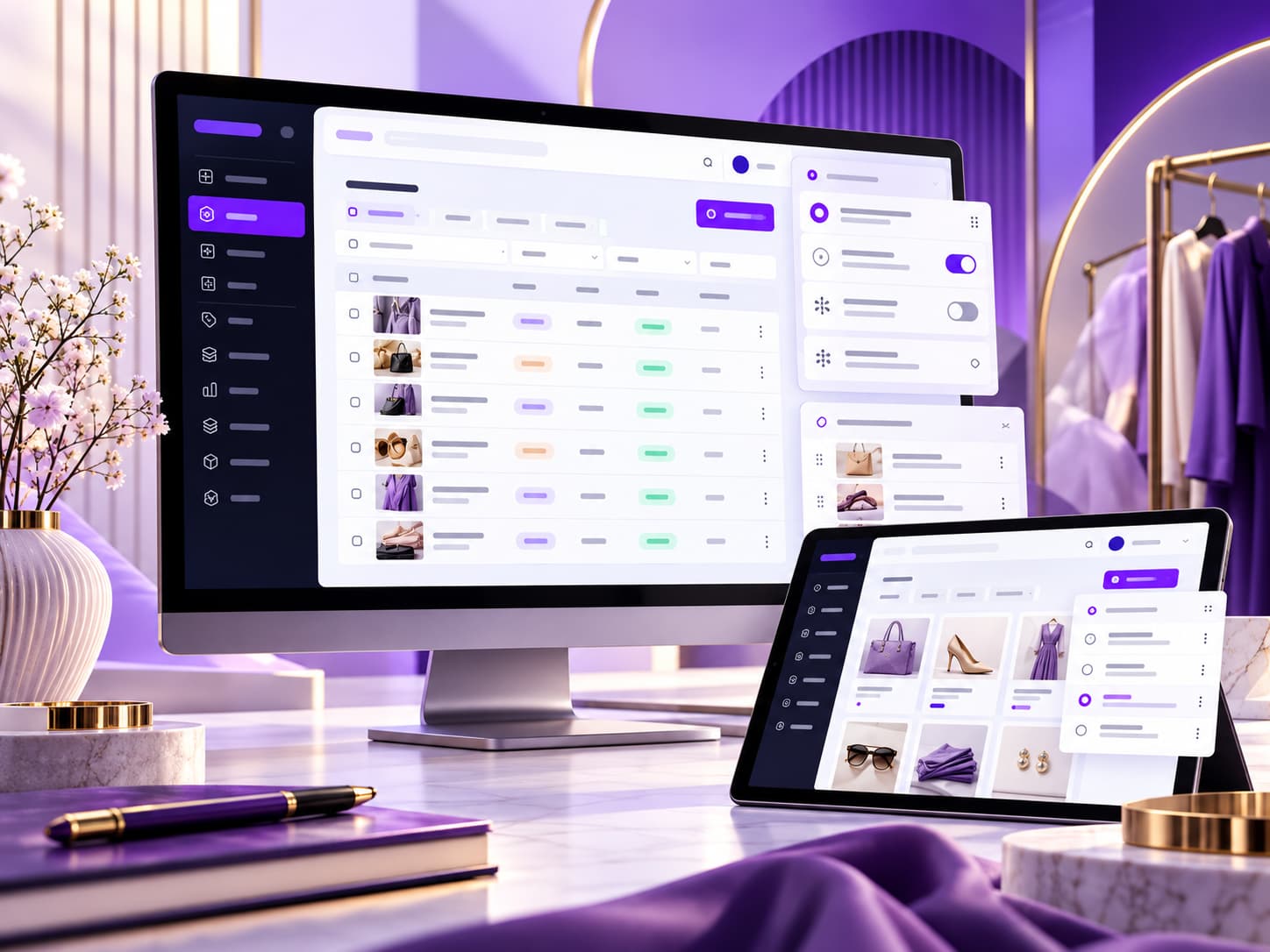
Discover how we modernized Cobone’s legacy CMS with React.js, Node.js and REST APIs, improving offer management, usability and internal operations.
The Story: Rethinking a Business-Critical Platform
Behind every successful e-commerce platform is a team managing thousands of daily operational activities. At Cobone, our traditional Content Management System (CMS) had been supporting these processes for many years, helping internal teams manage offers, content, merchandising and business operations.
While the existing system was functional, its legacy architecture made introducing new features, improving workflows and integrating modern technologies increasingly challenging.
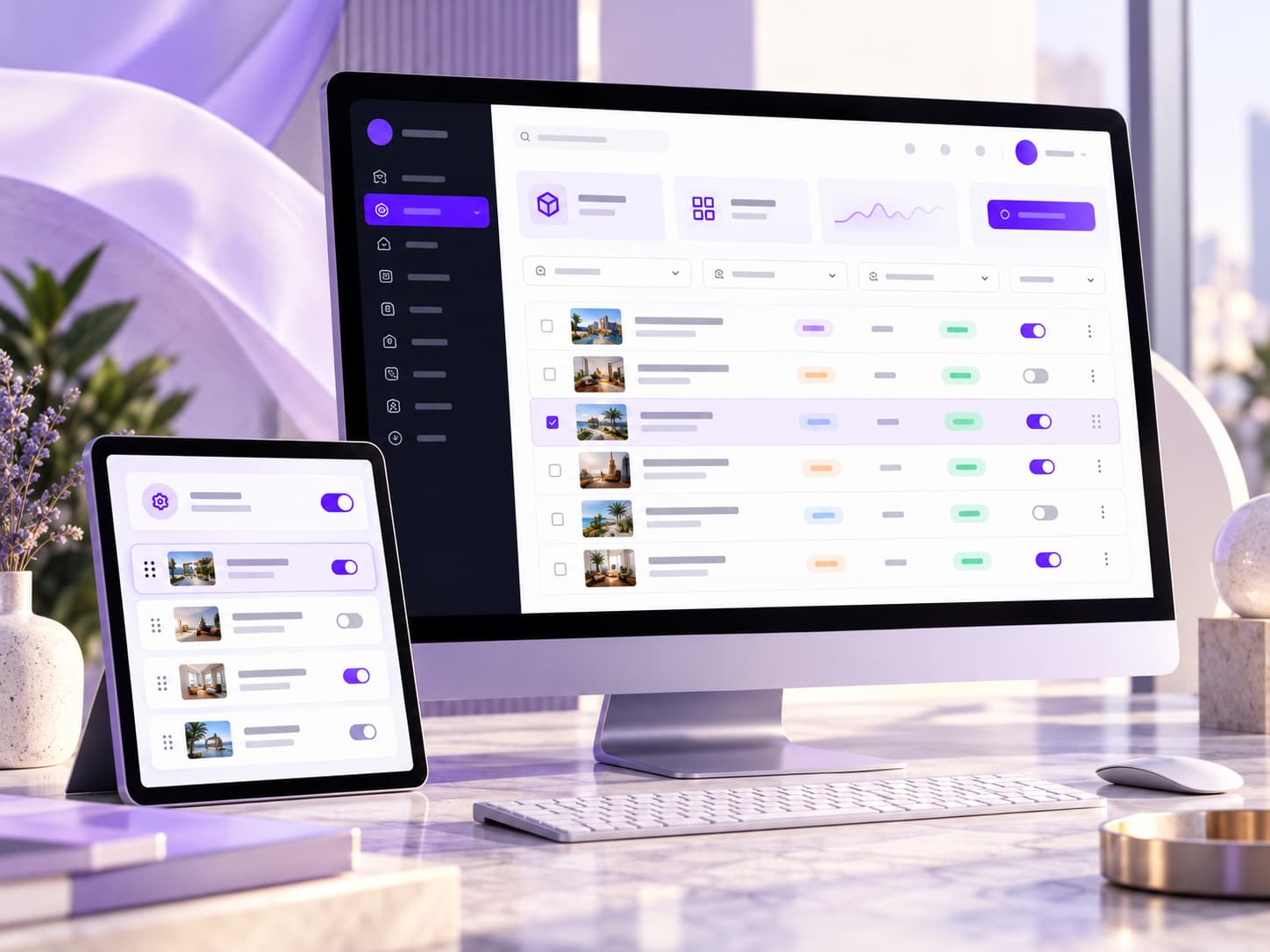
One major limitation was the absence of REST APIs. The old CMS communicated directly with the database, making frontend and backend development tightly connected.
As Head of IT at ME Digital Group, I recognized that we needed more than another system upgrade. We needed a modern foundation that could evolve with the business.
Modernizing a platform isn’t just about changing technology; it’s about making everyday work easier for the people behind the business.
The Approach: Building a Flexible, Modular CMS
I initiated and led the development of a new Modular CMS, working hands-on alongside another developer.
We selected React.js, Node.js, Express.js and Tailwind CSS to create a modern, API-driven platform with reusable components and greater flexibility.
My involvement covered technical planning, architecture decisions, UI/UX, frontend development, REST API planning and overall implementation.
Rather than replacing everything at once, we adopted a modular approach, allowing us to introduce new functionality gradually while protecting existing business operations.
Our key priorities included:
- Modern architecture: Introduce REST APIs to separate frontend and backend responsibilities.
- Modular development: Build reusable components for easier maintenance and future expansion.
- Improved UI/UX: Create cleaner interfaces, intuitive navigation and consistent controls.
- Offer management: Introduce automatic sorting, manual sorting and options to disable automatic sorting.
- Operational flexibility: Give teams greater control over merchandising and offer display priorities.
- The Experience: Putting Internal Teams First
One of our biggest considerations was how employees would interact with the new system every day.
We focused on reducing unnecessary complexity, improving information visibility and making commonly used features easier to discover.
The redesigned interface aimed to help operational teams work with greater confidence while maintaining a consistent, professional experience.
A better experience for internal teams ultimately creates a stronger foundation for customer satisfaction.
The Outcome: Better Control, Stronger Foundations
The initial development delivered a modern CMS foundation with practical offer-management improvements.
Key achievements included:
- Three offer-sorting controls for greater merchandising flexibility.
- A new REST API-based architectural foundation.
- Cleaner, more consistent operational interfaces.
- Reusable frontend components for future CMS modules.
- Greater independence between frontend and backend development.
These improvements established a foundation for measuring operational efficiency, including task completion time, usability and workflow improvements, as adoption progresses.
Final Thoughts
For me, this project was about more than rebuilding an existing system. It was an opportunity to rethink how Cobone’s internal teams work and prepare an important business platform for the future.
Leading the project while actively contributing to development made the experience particularly rewarding.
The new Modular CMS represents an important step towards simpler operations, better internal experiences and a more scalable digital ecosystem.