
A UI/UX case study on redesigning Quiet Loud’s custom celebration booking flow to improve conversions, usability, and brand trust in Dubai.
Designing a Seamless Experience for Custom Celebration Package Bookings
Quiet Loud is a Dubai-based event and celebration management company built around the belief that every moment deserves to be celebrated. As demand for custom celebration packages grew, their website became a critical business touchpoint—but the booking experience was not keeping pace. Users found the journey unclear, time-consuming, and overly fragmented, creating friction at the exact moment excitement should peak.
The Problem
Potential customers struggled to understand available options, customize packages confidently, and complete bookings without hesitation. This led to drop-offs, missed opportunities, and unnecessary back-and-forth with the team.
Project Goals
The project set out to transform the booking experience into a clear, intuitive, and conversion-focused journey that would:
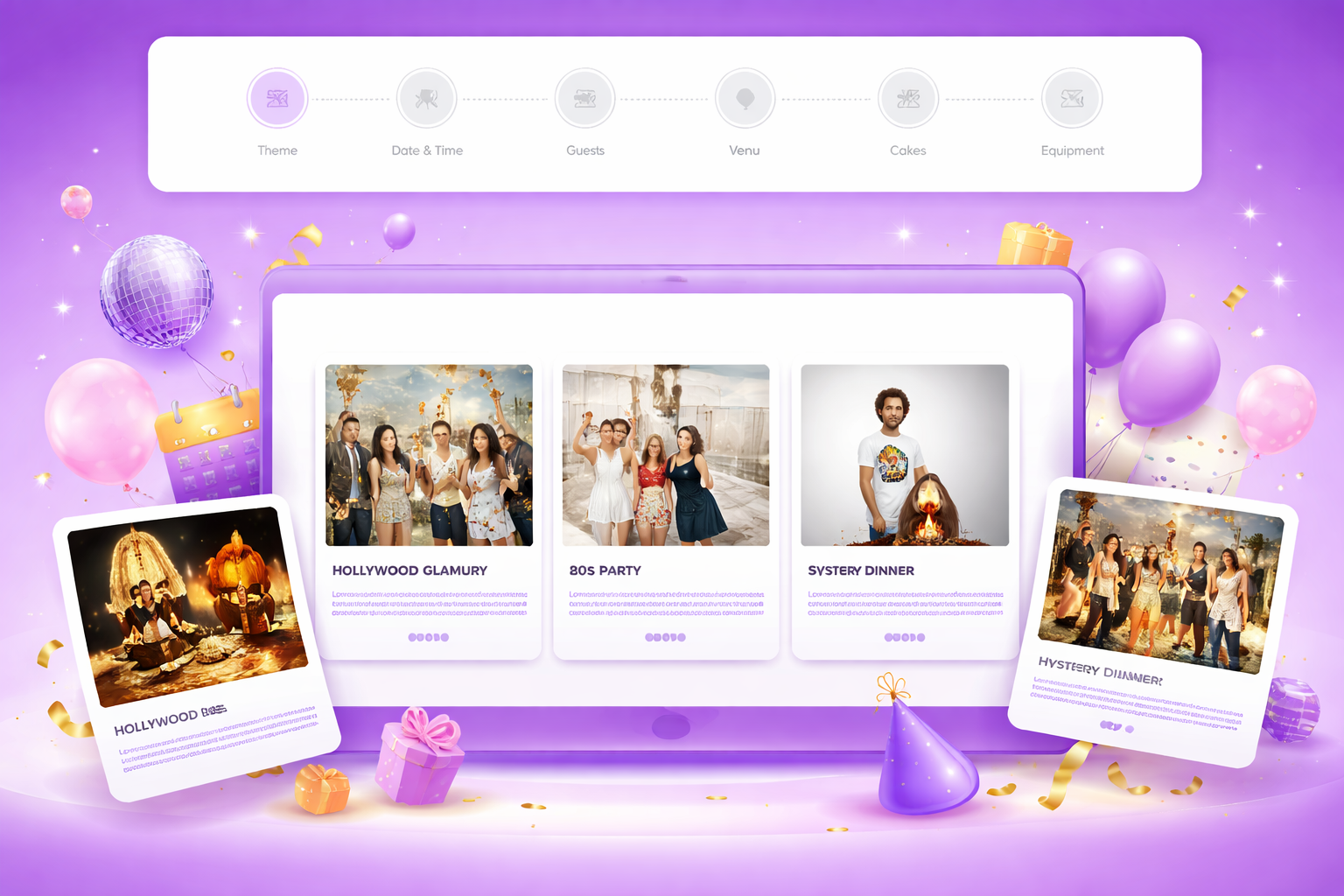
- Simplify the process of building custom celebration packages
- Increase completed bookings and overall conversion rates
- Improve customer confidence and satisfaction
- Position Quiet Loud as a premium, tech-forward celebration brand
Great experiences don’t feel designed—they feel effortless.
Research and Discovery
- The process began with industry-standard research methods to ground decisions in real user behavior and business needs:
- User interviews and surveys to uncover motivations, expectations, and pain points when booking celebrations
- Competitor analysis to benchmark industry standards and identify differentiation opportunities
- Journey mapping to pinpoint friction points and emotional highs and lows
Insights revealed that users wanted clarity, visual reassurance, and flexibility—without feeling overwhelmed.
Design Process and Key Decisions
The design strategy focused on reducing cognitive load while maintaining the excitement of planning a celebration.
- Information architecture was restructured into a clear, step-by-step flow
- Wireframes and prototypes were iteratively tested to validate navigation and pacing
- Visual design embraced vibrant colors, engaging imagery, and consistent typography aligned with Quiet Loud’s brand personality
- Responsive design ensured a seamless experience across desktop, tablet, and mobile
Each design decision balanced emotional appeal with functional clarity.
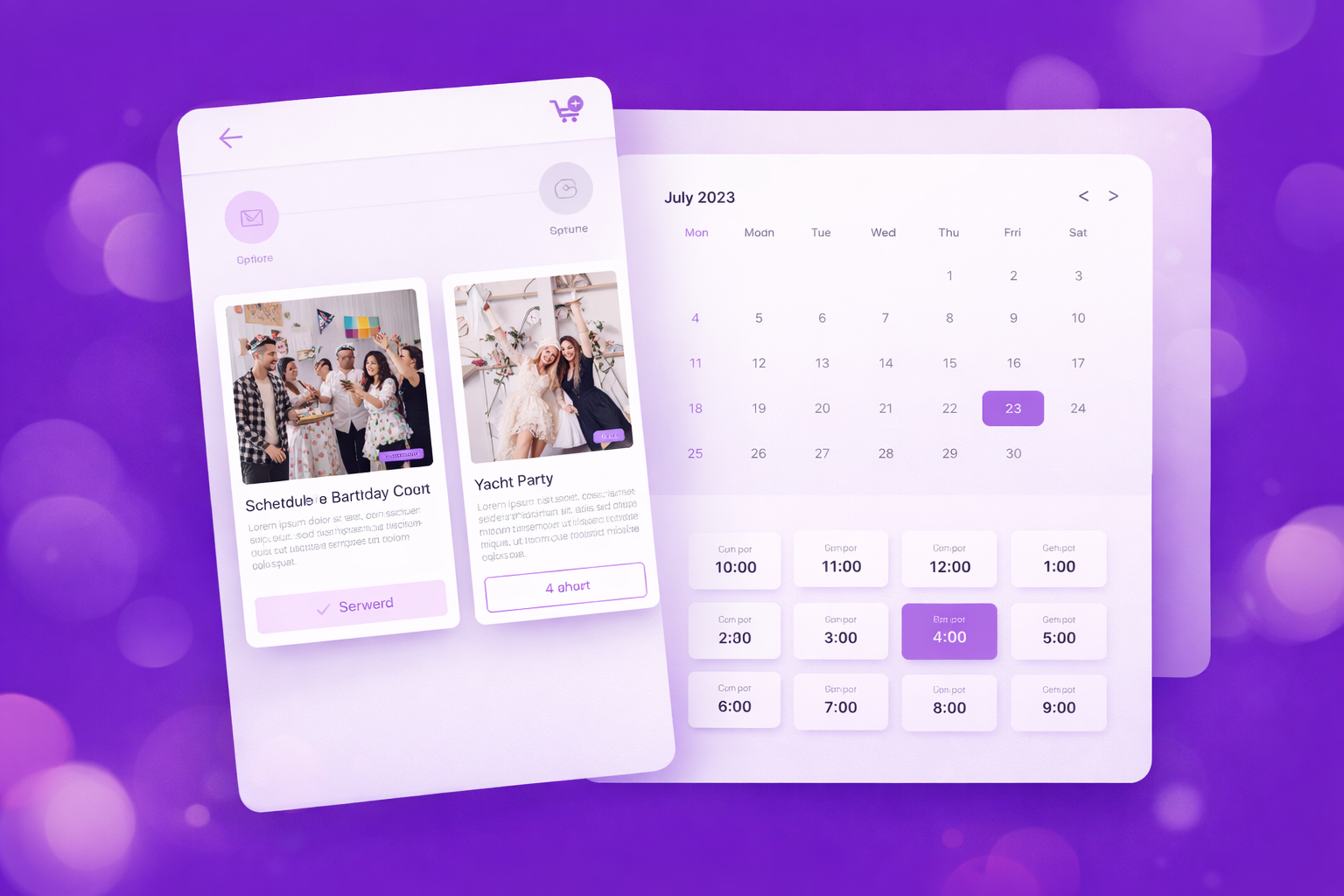
Design Process and Key Decisions
The design strategy focused on reducing cognitive load while maintaining the excitement of planning a celebration.
- Information architecture was restructured into a clear, step-by-step flow
- Wireframes and prototypes were iteratively tested to validate navigation and pacing
- Visual design embraced vibrant colors, engaging imagery, and consistent typography aligned with Quiet Loud’s brand personality
- Responsive design ensured a seamless experience across desktop, tablet, and mobile
Each design decision balanced emotional appeal with functional clarity.
Technical Implementation
From a development standpoint, the booking system concept was built to support:
- Modular package customization
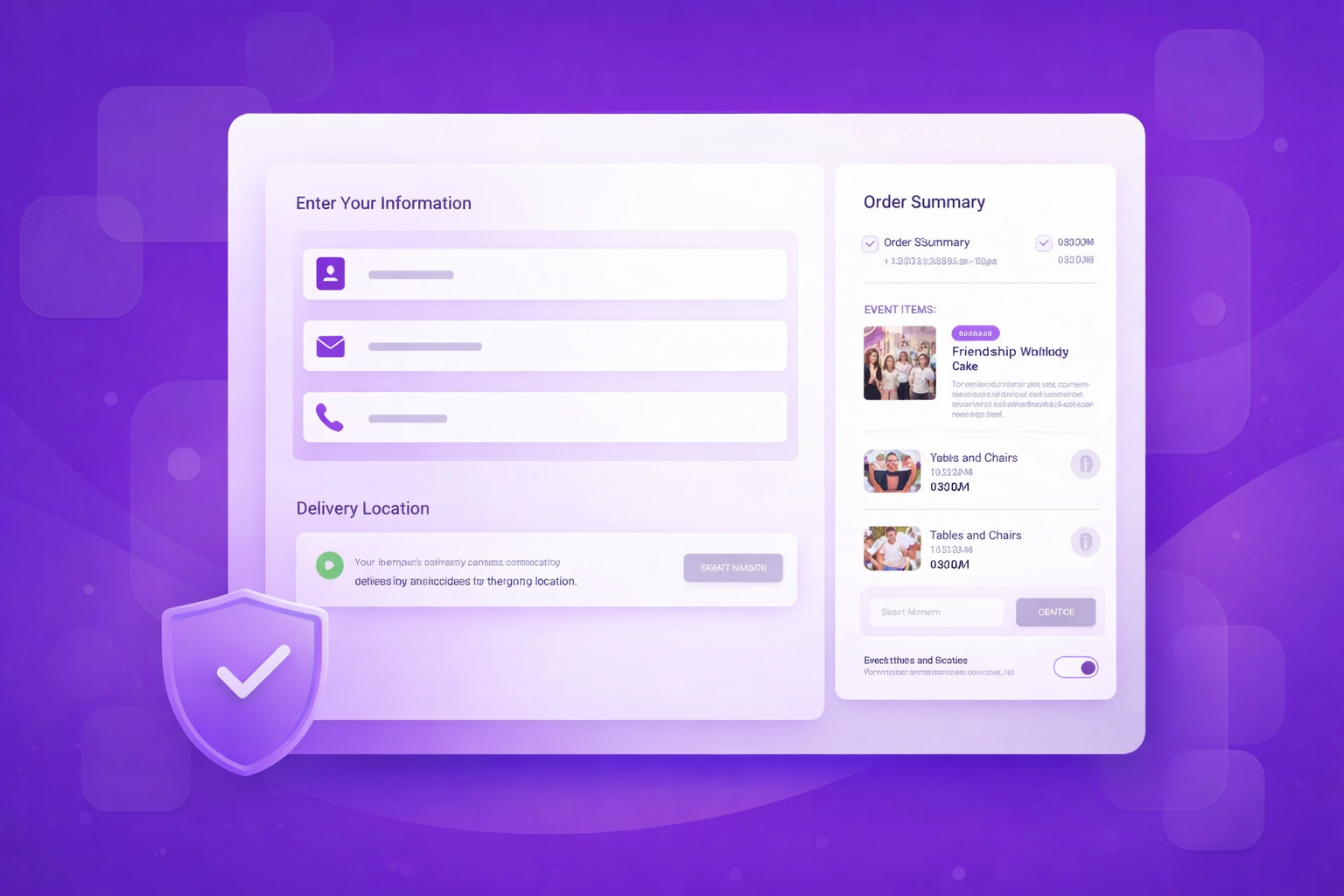
- Clear data capture at each step
- Scalable front-end components adaptable to future offerings
- Performance optimization for fast load times across devices
Challenges
The main challenge was simplifying complex customization without oversimplifying the offering. This was addressed through progressive disclosure—revealing options only when relevant—keeping the experience both powerful and approachable.
Measurable Results
- Reduced bounce rates and smoother user journeys
- Increased booking completions and conversion rates
- Stronger brand credibility through a polished, modern interface
- Positive customer feedback highlighting ease of use and clarity
- Tangible contribution to revenue growth and customer retention
By aligning human-centered design with clear business objectives, Quiet Loud’s redesigned booking experience turned celebration planning into a moment of delight—setting the foundation for sustained growth and brand leadership.
When users feel in control, trust follows naturally.